Cotton
Cotton is a soft, fluffy fiber that grows around the seeds of the cotton plant. It is one of the most important cash crops used worldwide in the textile industry, for products like clothing, towels, and more.
Cultivation and Growth
- Climate: Thrives in warm, subtropical climates with plenty of sunlight.
- Soil: Well-drained, fertile soils are ideal for cotton cultivation.
- Planting: Cotton is typically planted in the spring or early summer.
- Growth: Cotton plants grow tall and bushy, producing bolls that contain cotton fibers.
Associated Diseases
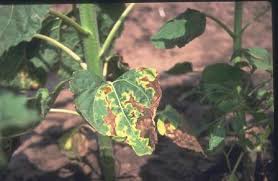
Cotton Wilt
Cotton wilt is caused by fungi such as Verticillium dahliae or Fusarium oxysporum. These fungi invade the plant's vascular system, blocking the flow of water and nutrients.
Prevention:
- Plant disease-resistant varieties of cotton.
- Rotate crops with non-host plants like maize or sorghum.
- Maintain good drainage to prevent waterlogging.
- Use certified, disease-free seeds.
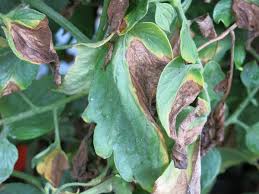
Verticillium Wilt
This disease causes leaf curling and wilting due to fungal infection in the vascular tissues.
Prevention:
- Choose resistant cotton varieties.
- Practice crop rotation with non-susceptible crops.
- Ensure proper soil drainage and avoid over-irrigation.
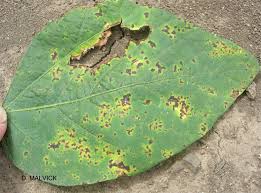
Bacterial Blight
Bacterial blight causes lesions on leaves and bolls, leading to defoliation and crop loss.
Prevention:
- Use disease-free seeds and resistant varieties.
- Avoid overhead irrigation to prevent water splashing.
- Sanitize tools and equipment to avoid contamination.
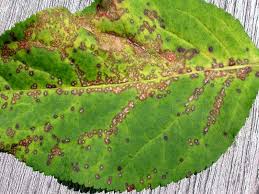
Anthracnose
This fungal disease causes dark, sunken lesions on bolls and leaves, leading to premature shedding and crop loss.
Prevention:
- Use certified, disease-free seeds.
- Practice crop rotation to reduce disease pressure.
- Fungicide applications may help reduce infections.
Root Rot
This disease affects the roots of cotton plants, causing wilting and yellowing of leaves.

Prevention:
- Improve soil drainage to avoid water buildup.
- Use fungicide-treated seeds.
- Avoid planting cotton in waterlogged soils.
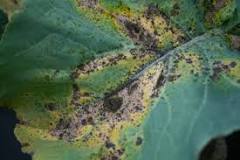
Alternaria Leaf Spot
This fungal disease causes small, circular dark spots on leaves, which can lead to defoliation.
Prevention:
- Apply fungicides as needed to control the spread.
- Ensure good air circulation around plants by proper spacing.
- Remove infected plant debris from the field to reduce spread.