Tur
Tur, also known as pigeon pea, is a leguminous crop that is widely cultivated in tropical and subtropical regions. It is an important source of protein and is a staple in many diets across the globe. Tur is highly drought-resistant and plays a significant role in soil improvement through nitrogen fixation.
Cultivation and Growth
- Climate: Grows best in warm, semi-arid regions with moderate rainfall.
- Soil: Prefers well-drained loamy or clayey soils with good organic content.
- Planting: Typically planted during the rainy season for optimal growth.
- Growth: Tur plants grow as small shrubs with deep roots, making them highly drought-tolerant.
Associated Diseases
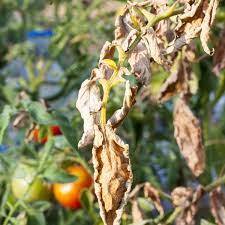
Fusarium Wilt
This fungal disease causes wilting and yellowing of leaves, primarily affecting the roots and vascular system. Fusarium wilt can lead to significant yield losses if not controlled early.
Prevention of Tur Diseases
Preventing diseases in tur plants is essential for ensuring healthy crops and maximizing yield. Here are some general preventive measures for the most common tur diseases:
- Fusarium Wilt:
- Ensure proper crop rotation with non-leguminous crops to reduce soilborne pathogens.
- Use disease-free seeds and resistant varieties.
- Maintain well-drained soil to avoid waterlogging.
- Sterility Mosaic Disease:
- Plant virus-free seeds and use resistant cultivars.
- Control insect vectors, such as aphids, with appropriate insecticides or biological controls.
- Regularly monitor plants for early signs of infection and remove infected plants to prevent spread.
- Phytophthora Blight:
- Avoid over-irrigation and ensure proper drainage to prevent water accumulation.
- Use resistant varieties and apply fungicides as needed.
- Remove and destroy infected plant debris from fields to prevent the pathogen from surviving.
- Cercospora Leaf Spot:
- Regularly apply fungicides to protect healthy foliage.
- Practice crop rotation and avoid planting tur in the same location year after year.
- Ensure good air circulation around plants by maintaining proper spacing during planting.
- Collar Root:
- Improve soil drainage to avoid root rot conditions.
- Apply fungicides around the base of the plants when symptoms are noticed.
- Avoid injury to plant stems during cultivation.
Sterility Mosaic Disease
A viral disease that results in stunted plant growth and the formation of sterile flowers, severely affecting seed production and overall yield.

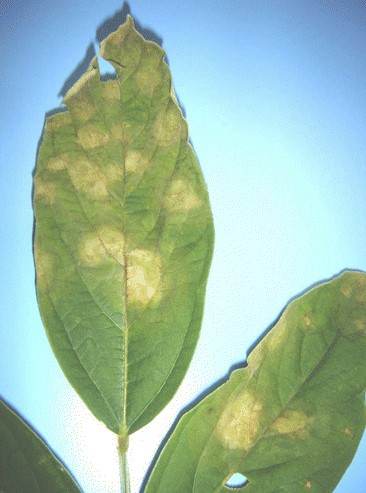
Phytophthora Blight
This is a devastating disease caused by the soilborne pathogen 'Phytophthora'. It affects the leaves of the plant, leaving yellow spots on them and furthermore affects the stems and roots, leading to wilting and death of the plant.
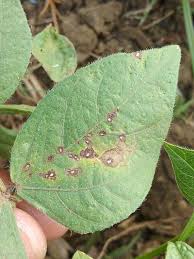
Cercospora Leaf Spot
A fungal infection that causes dark brown spots on the leaves, leading to early leaf drop and reduced plant vigor.
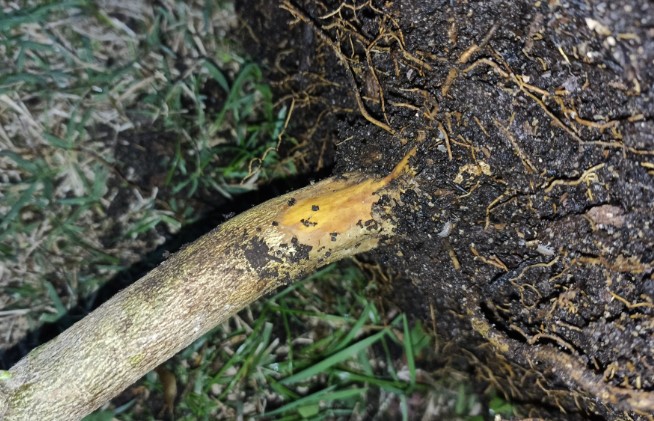
Collar Root
This disease affects the plant at the base of the stem, causing the tissue to rot. It results in plant collapse and can affect large sections of crops.
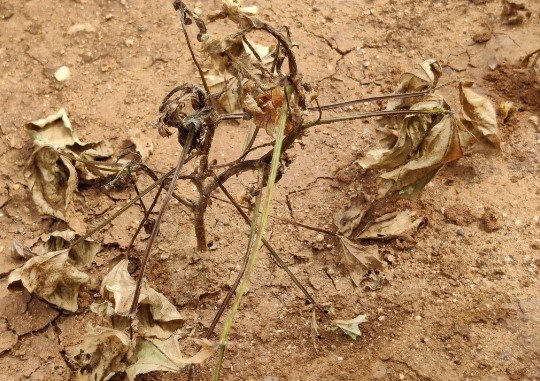
Dry Root Rot
Caused by soilborne fungi, this disease leads to the complete rotting of roots. It causes wilting and eventual death of the plant, especially during dry conditions.
- Avoid planting tur in waterlogged soils or during prolonged dry conditions.
- Use crop rotation and organic mulches to improve soil health.
- Apply fungicides to soil if dry root rot is suspected.