Banana
Bananas are one of the most popular fruits in the world, widely consumed for their nutritional value and energy-boosting properties. They are a vital crop in many tropical regions.
Cultivation and Growth
- Climate: Bananas require warm, tropical climates with high humidity.
- Soil: Well-drained, loamy soils rich in organic matter are ideal for banana cultivation.
- Planting: Bananas are propagated from suckers and need regular watering and fertilization for healthy growth.
- Growth: Proper disease and pest management is essential for optimal banana production.
Associated Diseases and Prevention
Panama Disease
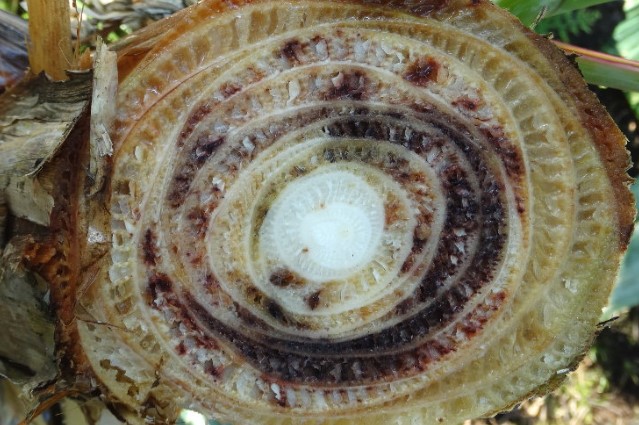
Panama Disease, also known as Fusarium Wilt, is a fungal infection that attacks the banana plant's vascular system, causing wilting and eventually plant death. It is one of the most destructive diseases affecting banana plantations.
Prevention:
- Plant disease-resistant varieties to reduce susceptibility.
- Avoid planting in infected soil and practice proper crop rotation.
- Ensure proper drainage and avoid over-irrigation to limit fungal growth.
Black Sigatoka
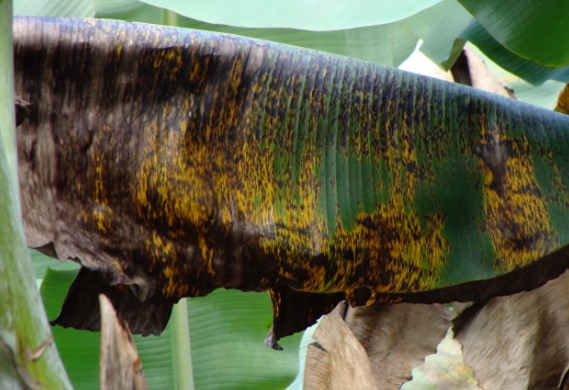
Black Sigatoka is a fungal disease that causes streaks on banana leaves, reducing photosynthesis and affecting fruit yield. It spreads rapidly in humid conditions and requires regular fungicidal treatments.
Prevention:
- Regularly prune infected leaves and improve air circulation to reduce humidity.
- Apply fungicides preventively, especially during wet and humid conditions.
- Plant resistant cultivars and ensure proper plant spacing.
Banana Xanthomonas Wilt
Banana Xanthomonas Wilt is a bacterial disease that causes yellowing, wilting, and death of banana plants. It spreads through contaminated tools, insects, and infected plant material.

Prevention:
- Disinfect tools and equipment regularly to prevent bacterial spread.
- Remove and destroy infected plants promptly.
- Control insect vectors and avoid planting bananas near infected crops.
Cigar End Rot
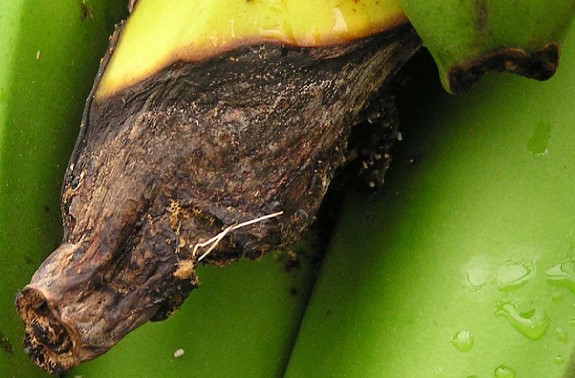
Cigar End Rot is a fungal disease that affects the banana fruit, causing a black, cigar-like appearance at the tip of the fruit. It can result in significant post-harvest losses.
Prevention:
- Ensure proper post-harvest handling to minimize fruit injury.
- Apply appropriate fungicides during fruit development to reduce infection.
- Maintain optimal humidity levels during storage and transport.
Moko Disease
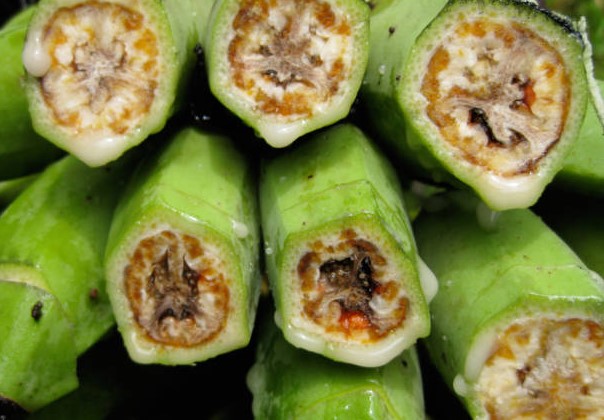
Moko Disease is a bacterial infection that affects banana plants, causing wilting, discoloration, and fruit rot. It is spread by insects, contaminated equipment, and infected plant materials.
Prevention:
- Disinfect tools and prevent the spread of the disease through contaminated equipment.
- Isolate and destroy infected plants to contain the outbreak.
- Control insect vectors and limit the movement of contaminated plant materials.
Anthracnose
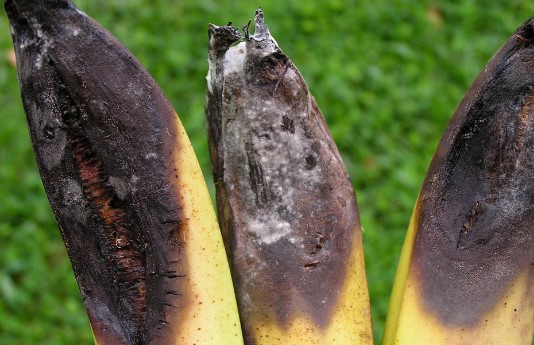
Anthracnose is a fungal disease that causes dark, sunken lesions on banana fruit, affecting its quality and marketability. The disease thrives in warm, humid conditions.
Prevention:
- Regularly apply fungicides to prevent the onset of the disease.
- Improve air circulation in the plantation by proper pruning and spacing.
- Harvest bananas carefully to avoid bruising, which increases the risk of infection.