Custard Apple
Custard Apple is a tropical fruit known for its sweet, creamy texture and unique flavor. The fruit is highly valued for its nutritional content, being rich in vitamins and antioxidants.
Cultivation and Growth
- Climate: Custard Apple thrives in tropical and subtropical climates with dry summers.
- Soil: Well-drained, loamy soils with good organic content are ideal for growth.
- Planting: Custard Apple trees are propagated from seeds, cuttings, or grafting. They require regular watering during the growing season.
- Growth: Pruning and pest control are essential for optimal fruit production.
Associated Diseases and Prevention
Anthracnose
Anthracnose is a fungal disease that affects the leaves, twigs, and fruit of Custard Apple, causing dark, sunken lesions.
.jpg)
Prevention:
- Apply copper-based fungicides during humid conditions.
- Prune infected branches to reduce the spread of the fungus.
- Maintain good air circulation by properly spacing the trees.
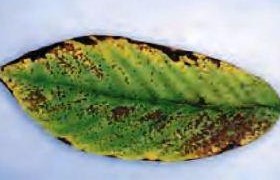
Leaf Spot
Leaf Spot causes small, dark spots on the leaves, which may eventually lead to yellowing and premature leaf drop.
Prevention:
- Remove and destroy infected leaves to prevent the spread of the disease.
- Use appropriate fungicides as recommended by agricultural experts.
- Ensure adequate spacing and air circulation around the plants.
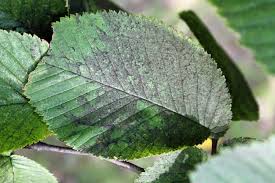
Black Sooty Mold
This fungal disease grows on the sugary secretions left by aphids or scale insects, covering the leaves in a black, sooty substance.
Prevention:
- Control the population of aphids and scale insects using insecticides or biological controls.
- Wash affected leaves with water to remove the mold.
- Ensure proper plant hygiene and cleanliness to minimize mold growth.
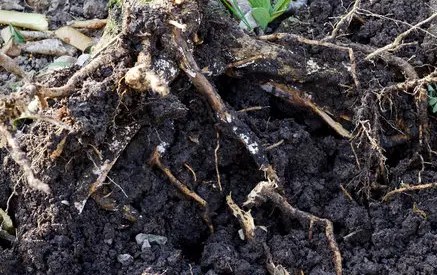
Root Rot
Root Rot is caused by overwatering or poorly drained soils, leading to the decay of the tree's roots.
Prevention:
- Ensure well-drained soil and avoid overwatering the trees.
- Improve soil drainage by incorporating organic matter.
- Apply fungicide treatments in severe cases.
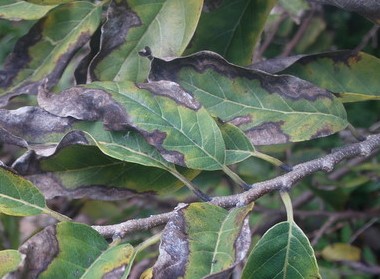
Custard Apple Wilt
Custard Apple Wilt is a soil-borne disease that causes the sudden wilting and death of the tree.
Prevention:
- Use resistant rootstocks and grafting techniques.
- Ensure good soil health by applying organic composts.
- Avoid planting in soils with a history of Custard Apple Wilt.
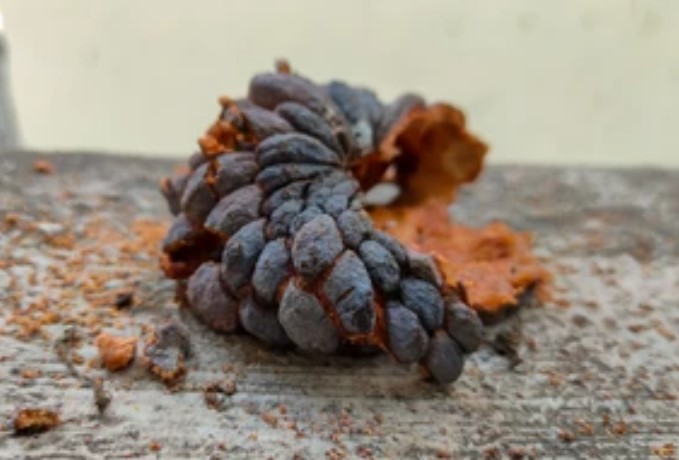
Fruit Rot
Fruit Rot affects ripening Custard Apples, causing the fruit to soften, rot, and develop a foul odor.
Prevention:
- Maintain proper sanitation by removing fallen and rotting fruit from the ground.
- Apply fungicides during the ripening stage to prevent fungal infections.
- Store harvested fruit in cool, dry conditions to prevent decay.