Brinjal
Brinjal, also known as eggplant, is a widely grown vegetable, especially in tropical and subtropical regions. It is rich in vitamins and minerals and has been cultivated for thousands of years for its edible fruit.
Cultivation and Growth
- Climate: Brinjal grows well in warm climates, requiring temperatures between 20°C and 30°C for optimal growth.
- Soil: Loamy, well-drained soils rich in organic matter are ideal for Brinjal cultivation.
- Planting: Brinjal is typically grown from seeds, and seedlings are transplanted when they are about 6-8 weeks old.
- Growth: The plant bears purple, white, or green fruits, depending on the variety, and requires consistent care to yield healthy crops.
Associated Diseases and Prevention
Leaf Spot
Leaf Spot is caused by fungi and leads to small, circular brown spots on the leaves. Severe infections can cause defoliation and reduced crop yield.
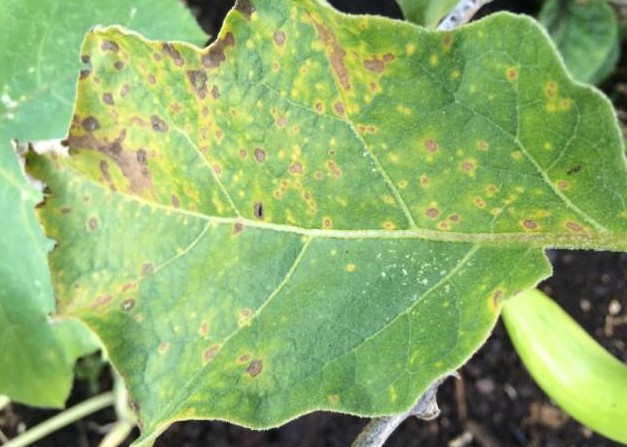
Prevention:
- Remove and destroy infected leaves to reduce the spread of the fungi.
- Apply fungicides when symptoms first appear.
- Ensure good air circulation by spacing plants appropriately.
Bacterial Wilt
Bacterial Wilt is caused by soil-borne bacteria, leading to wilting and plant death.
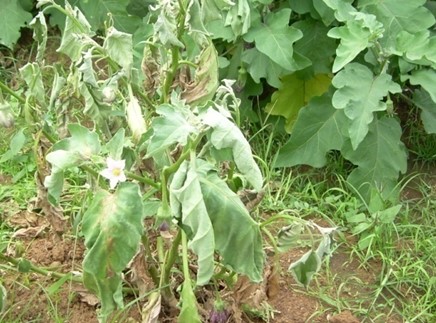
Prevention:
- Use disease-free seedlings and resistant varieties.
- Rotate crops with non-host plants like cereals to reduce soil contamination.
- Improve soil drainage to reduce bacterial growth.
Damping Off
Damping Off affects seedlings, causing them to collapse and die. The disease is caused by soil-borne fungi and thrives in wet, humid conditions.
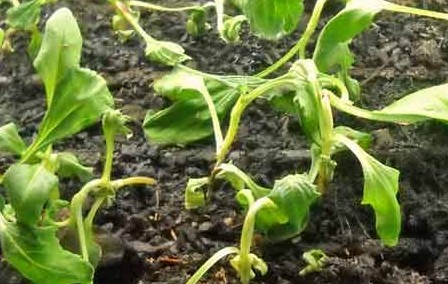
Prevention:
- Ensure well-drained soil and avoid overwatering seedlings.
- Apply fungicide treatments to seed beds before planting.
- Plant seedlings in raised beds to reduce soil moisture.
Little Leaf Disease
Little Leaf Disease is caused by phytoplasma and results in the stunting of leaves, causing them to be small and deformed.
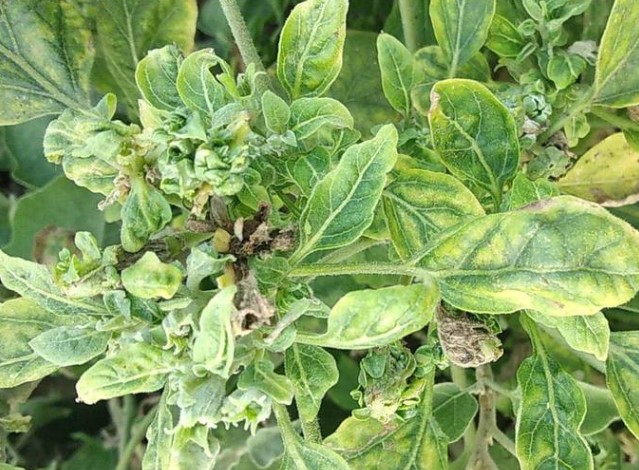
Prevention:
- Control insect vectors, such as leafhoppers, that spread the disease.
- Remove and destroy infected plants to prevent the spread.
- Use certified, disease-free planting material.
Verticillium Wilt
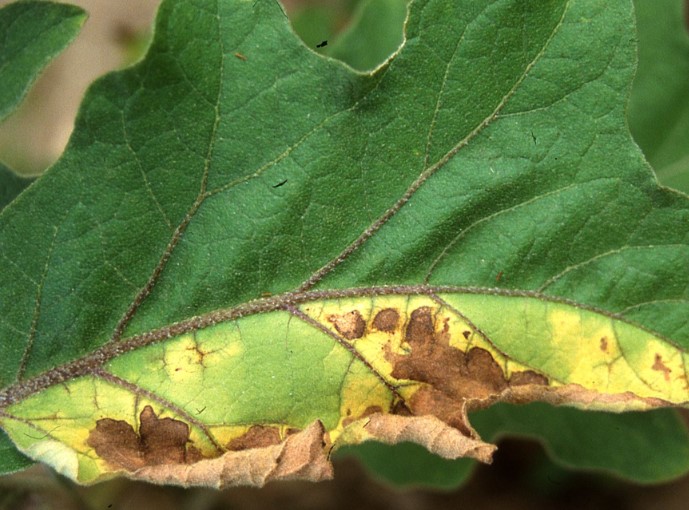
Verticillium Wilt is a fungal disease that causes yellowing and wilting of the leaves, starting from the lower branches.
Prevention:
- Practice crop rotation with non-host plants like cereals.
- Remove and destroy infected plant debris to reduce soil contamination.
- Use disease-resistant varieties where available.
Mosaic Virus
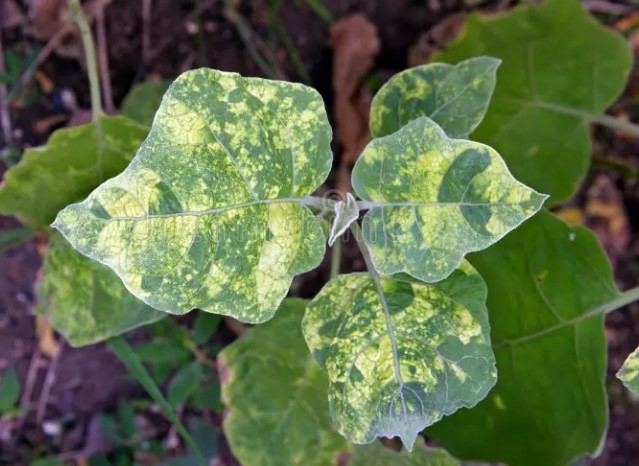
Mosaic Virus causes mottled patterns of yellow and green on leaves, reducing plant vigor and yield.
Prevention:
- Control insect vectors like aphids using insecticides or natural predators.
- Remove and destroy infected plants to prevent the virus from spreading.
- Use virus-free seeds and resistant varieties.