Okra
Okra, also known as ladies' fingers, is a popular vegetable grown in tropical and subtropical regions. It's known for its edible green seed pods and is a rich source of dietary fiber, vitamins, and minerals.
Cultivation and Growth
- Climate: Warm and tropical climates are ideal for okra cultivation, with plenty of sunlight and moderate rainfall.
- Soil: Fertile, well-drained soils with organic matter support optimal growth.
- Planting: Okra is typically sown in the summer and requires temperatures above 20°C for proper germination.
- Growth: The plant grows to a height of about 2 meters and bears elongated green seed pods.
Associated Diseases and Prevention
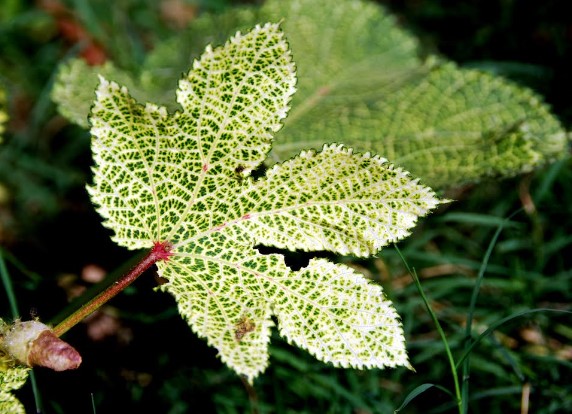
Yellow Vein Mosaic Virus
Yellow Vein Mosaic Virus causes yellowing of the veins in okra leaves, leading to reduced growth and yield.
Prevention:
- Control whitefly populations using insecticides or natural predators.
- Remove and destroy infected plants to prevent the spread of the virus.
- Use resistant varieties when available.
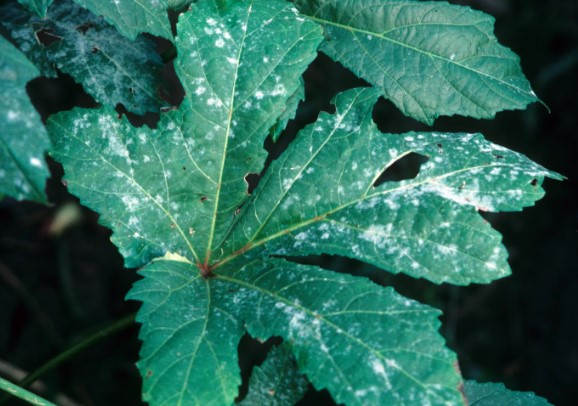
Powdery Mildew
This fungal disease appears as white, powdery patches on leaves and stems, reducing photosynthesis.
Prevention:
- Apply sulfur or other appropriate fungicides at the first sign of infection.
- Ensure good air circulation by spacing plants properly.
- Avoid overhead irrigation to reduce leaf wetness.
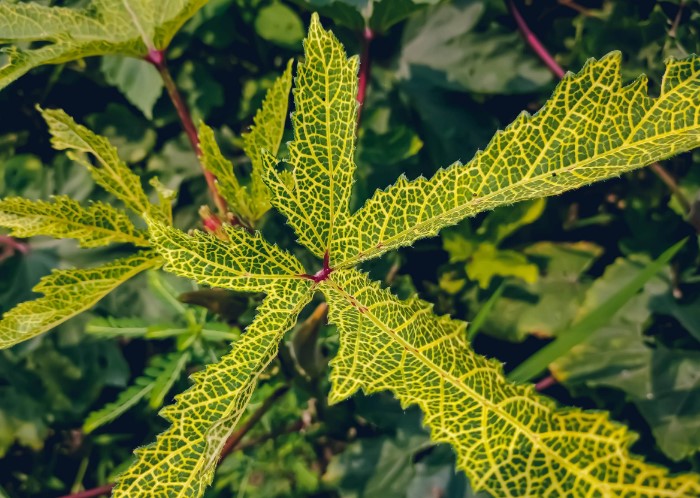
Fusarium Wilt
Fusarium Wilt causes wilting and yellowing of okra leaves, starting at the base of the plant.
Prevention:
- Practice crop rotation with non-host crops to break the disease cycle.
- Use disease-resistant okra varieties where available.
- Improve soil drainage to reduce fungal spread.
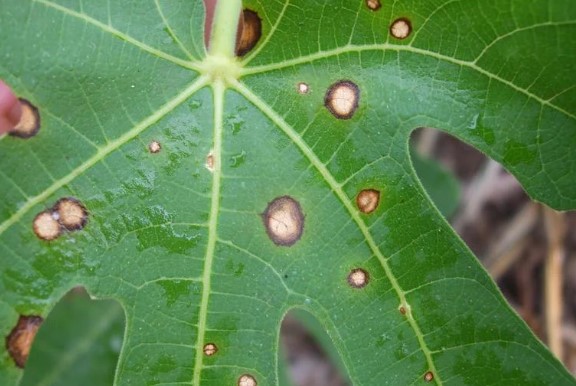
Cercospora Leaf Spot
Cercospora Leaf Spot leads to small, circular, brown spots on leaves, reducing photosynthesis.
Prevention:
- Remove infected leaves to reduce the spread of the disease.
- Apply fungicides as necessary to protect healthy foliage.
- Ensure proper spacing to improve air circulation.
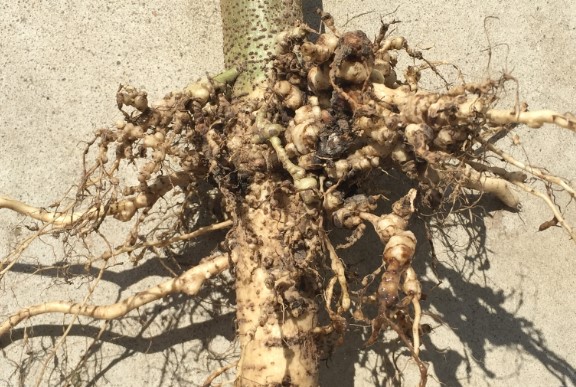
Root Knot Nematode
Root Knot Nematode causes swelling and knotting of okra roots, leading to reduced water and nutrient uptake.
Prevention:
- Use nematode-resistant varieties when available.
- Practice crop rotation with non-host crops.
- Improve soil health through organic amendments.
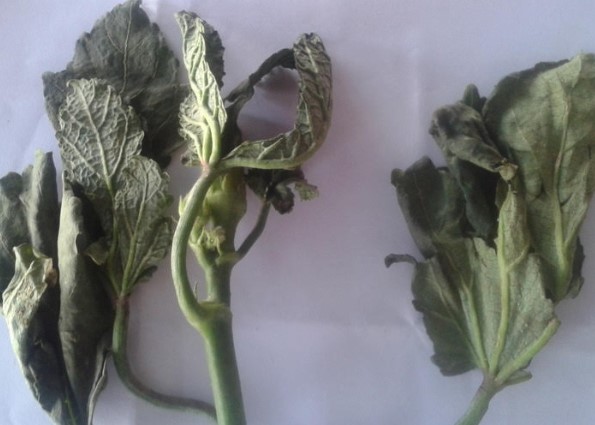
Enation Leaf Curl Virus
This virus causes curling and distortion of okra leaves, leading to stunted growth and reduced yields.
Prevention:
- Control whitefly populations to reduce virus transmission.
- Remove and destroy infected plants to prevent spread.
- Use virus-free seeds and maintain good field sanitation.