Potatoes
Potatoes are one of the most important staple crops globally, providing nutrition and sustenance to millions of people. Known for their versatility in cooking, potatoes are a major source of carbohydrates.
Cultivation and Growth
- Climate: Potatoes thrive in cool, temperate climates with well-distributed rainfall.
- Soil: Well-drained, sandy loam soils rich in organic matter are ideal for potato cultivation.
- Planting: Potatoes are grown from seed tubers, which are planted in rows and require hilling to promote tuber development.
- Growth: The crop needs consistent watering and protection from pests and diseases to ensure good yields.
Associated Diseases and Prevention
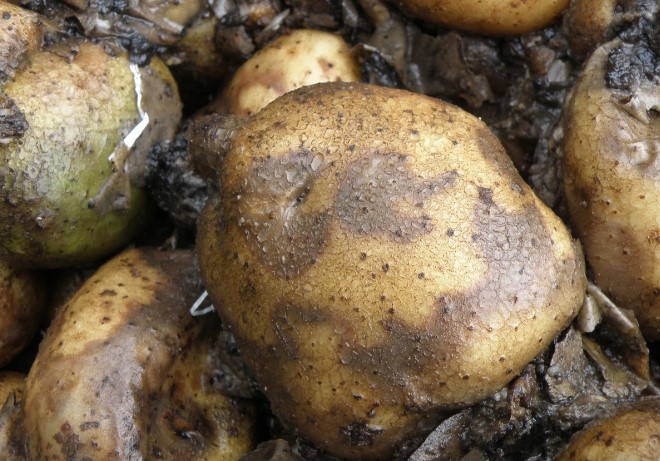
Late Blight
Late Blight is a fungal disease that affects both the foliage and tubers of potatoes. It can rapidly destroy crops in wet conditions and is a major threat to potato production.
Prevention:
- Plant resistant potato varieties to reduce the risk of infection.
- Apply fungicides as a preventative measure during wet conditions.
- Practice crop rotation and avoid planting potatoes in the same field for consecutive years.
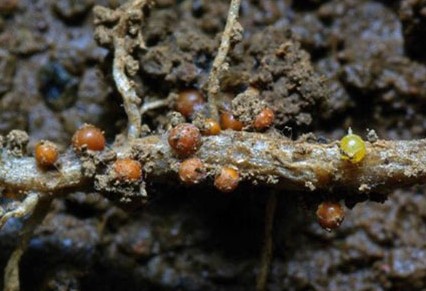
Potato Cyst Nematode
The Potato Cyst Nematode is a soil-dwelling pest that attacks the roots of potato plants, leading to stunted growth and reduced yield.
Prevention:
- Rotate crops with non-host plants to break the nematode lifecycle.
- Use resistant potato varieties whenever possible.
- Test soil for nematode presence before planting.
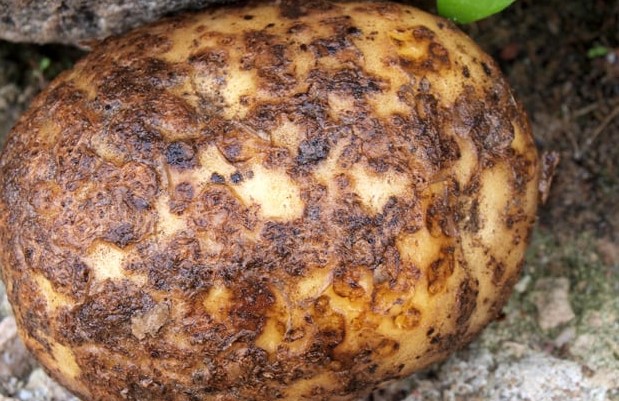
Black Scurf
Black Scurf is caused by a fungus that forms black, crust-like growths on the tubers, affecting young seedlings and leading to stunted growth.
Prevention:
- Use disease-free seed tubers to prevent introduction of the fungus.
- Ensure good soil drainage to avoid conditions favorable for the fungus.
- Practice crop rotation with non-susceptible crops.
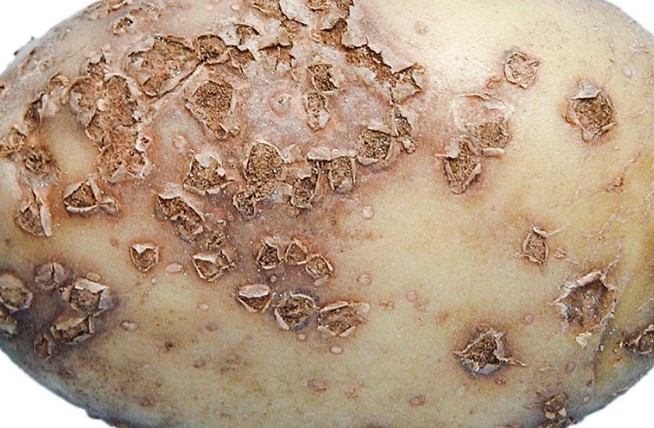
Powdery Scab
Powdery Scab affects the skin of the potato tubers, causing raised, pitted lesions and can spread through infected seed tubers and contaminated soil.
Prevention:
- Plant certified disease-free seed tubers.
- Practice proper sanitation and crop rotation.
- Avoid over-fertilization with nitrogen, which can increase susceptibility.
Potato Leaf Roll Virus
Potato Leaf Roll Virus is spread by aphids and causes the leaves to roll upward, reducing the plant's vigor and yield.
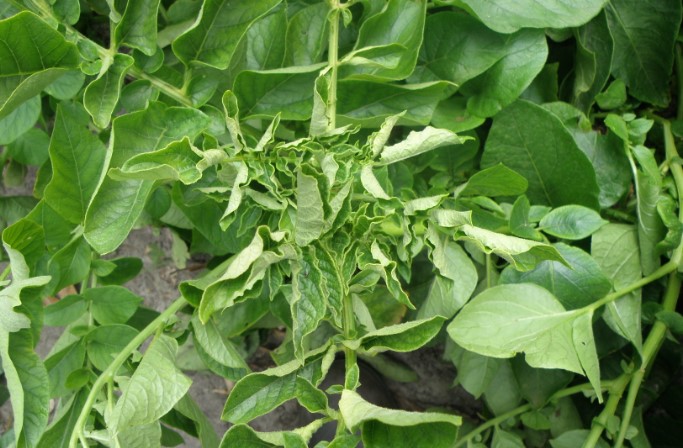
Prevention:
- Use virus-free seed tubers to reduce the risk of infection.
- Control aphid populations with appropriate insecticides.
- Practice good crop hygiene by removing infected plants.
Soft Rot
Soft Rot is a bacterial disease that causes tubers to decay, resulting in foul-smelling, watery rot, favored by warm, wet conditions.
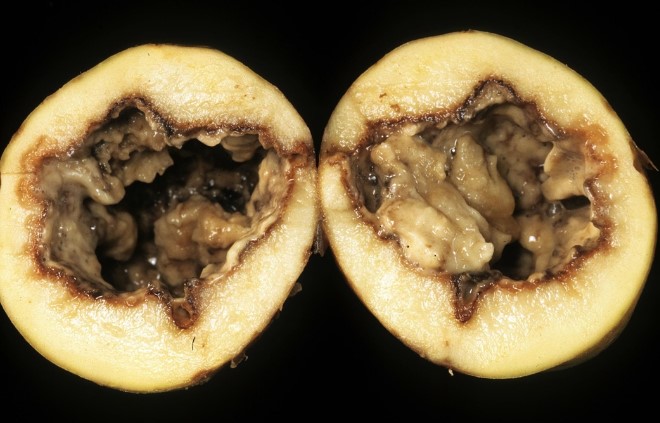
Prevention:
- Store potatoes in cool, dry conditions to minimize the risk of rot.
- Avoid injuring tubers during harvest and handling.
- Use good sanitation practices to keep storage areas clean.